
.png)
How to get a motorsport sponsor as a junior driver
If you are a junior driver trying to figure out how to attract sponsorship, or a parent researching how to help your child build a commercial profile, you are probably already aware that talent alone does not pay for a season. Gaining a sponsorship partner as a junior driver is often is the deciding factor on whether you go racing at all.
Securing it successfully means building a credible personal brand, identifying businesses you can offer genuine value to, and approaching potential partners with a tailored commercial proposal that makes sense from their side of the table. It takes preparation, consistency and a clear understanding of what you are actually offering.
We have worked with drivers across the junior ladder for over a decade, from karting through to Formula 1, WEC and IndyCar, this guide is designed to help you untangle the questions around what sponsors are genuinely looking for, and how to approach the process in a way that stands a realistic chance of working.
What do motorsport sponsors actually want?
Firstly, it helps to understand how a potential sponsor will be looking for and what is their mindset going in. They are not just investing in your racing because they love the sport, they are making a business decision and need to be able to justify it. What they are usually looking for is some combination of brand visibility, social media reach, association with a credible young athlete, and access to an audience that is relevant to their business.
That means you need to stop thinking about sponsorship as financial support and start thinking about it as a commercial partnership. You are not asking for help. You are offering something of genuine value, and your job is to make that clear from the very first conversation.
Most sponsorship approaches fail for the same reasons. The driver sends a generic email with a one-line ask, or shares a PDF that is more focused on what they need than what the sponsor gets. Some lean too heavily on the promise of "exposure" from logo placement, without giving a sponsor any real reason to believe that exposure will translate into value for their business.
The most common mistake we see is a driver sending a generic email, attaching a PDF that reads essentially as a shopping list of what they need, and then being surprised when nobody responds. Sponsors, especially the small and medium-sized businesses that are most accessible at junior level, are not motorsport insiders who understand the cost of a season or follow the junior ladder, which means they have no particular reason to care unless you give them a compelling one.
Your pitch needs to explain clearly and specifically why backing you makes commercial sense for their business, and that explanation has to be tailored to them individually.
Building your personal brand
Social media is a great place to start telling your story and helping it to resonate and it can be the foundation of building your personal brand. It does not have to be elaborate at junior level or be overly polished, it means a consistent social media presence where you are posting about your racing, your journey, your results and your personality, and it means telling your story in a way that makes people want to follow along.
This starts to build an engaged audience which will be attractive to a business considering backing you. Contrary to popular believe, you do not need tens of thousands of followers to attract motorsport sponsorship, in fact, a small audience who consistently engage with your content demonstrates that you are a driver worth being associated with.
Press coverage, whether it is a local newspaper, a motorsport publication, or a race report on your own website, third-party coverage adds credibility and makes it easier for a potential sponsor to say yes.
What a good motorsport sponsorship proposal looks like
A sponsorship proposal needs to be well-designed, clearly written, and focused on value for the sponsor rather than what you need.
At a minimum, a strong proposal should include:
- A clear introduction to the driver, their background, and their goals
- An overview of the championship or series, including its audience and demographics
- Details of what the sponsor will receive, including branding opportunities, social media mentions, content rights and event access
- A specific ask, whether financial or in-kind, with honest context around what the budget will be used for
- Optional tiered packages that give the sponsor flexibility over their level of involvement
The more tailored the proposal, the better. A sponsor should feel it was written specifically for them, not forwarded from a template used on twenty other businesses.
We have a guide about what to include in a sponsorship proposal or reach out and we can help you to put a sponsorship deck together.
Where to look for sponsors as a junior driver
Starting local is the most practical approach, particularly at karting level and in the lower junior categories. Local and regional businesses are far more likely to back a driver they feel a genuine connection to, and those relationships are easier to build because you are already part of the same community.
Start by thinking about the businesses already around you. Your family's connections, local companies in automotive, engineering, technology or manufacturing, and any brand that has previously shown an interest in sport or supporting young people are all worth approaching. A warm introduction or a familiar name will always open more doors than a cold email ever will.
As your profile grows and your results stack up, the conversation naturally shifts towards regional and national brands, but they will want to see evidence before they commit. That means a strong social media presence, press coverage, a professional proposal and ideally a track record of looking after previous partners well. The key at every level is relevance, because the right local business at karting level is worth far more than a long shot at a national brand, and those early relationships, built properly, often grow with you over time.
When should a junior driver start looking for sponsorship?
The earlier you start building the foundations, the better positioned you will be when you genuinely need the commercial support. That means starting a social media presence well before you send your first proposal, building relationships in the paddock and in your local business community.
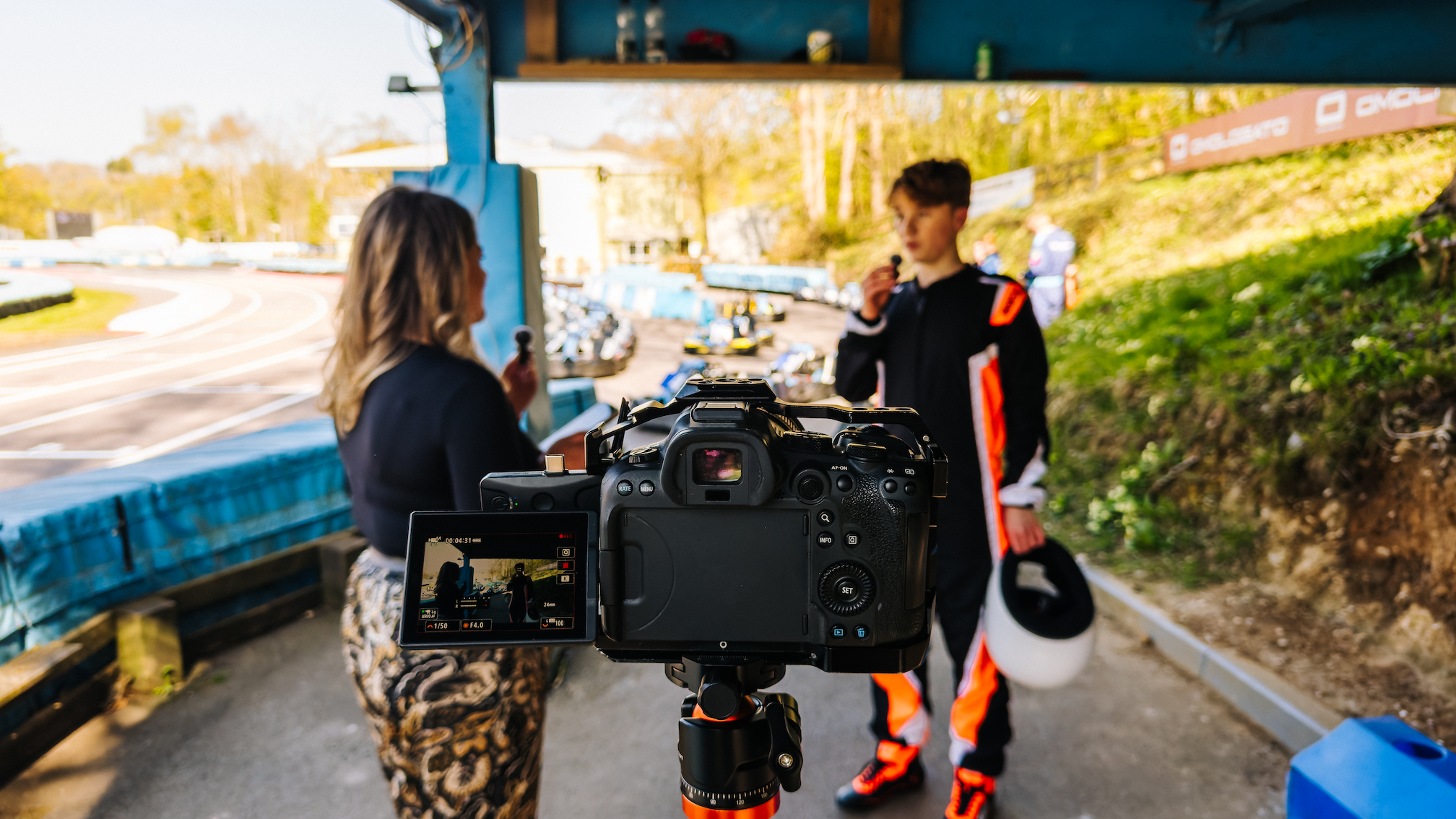
If you are at karting level, structured programmes can give you both the competitive foundation and the visibility you need to start building a commercial profile. We have worked with the Buckmore Park driver development programme, providing media training alongside workshops on raising sponsorship and the commercial aspect of motorsport. Competing at a circuit with a genuine heritage and taking part in a recognised programme like this also gives you something credible to put in front of potential sponsors. It signals that your development is structured and that people around you take it seriously.
The Motorsport UK Academy provides a talent development pathway for drivers aged 15 to 24 competing in recognised UK series. Which can provide understanding how the broader commercial landscape works, helping drivers and families make smarter decisions about where to invest their time and energy.
For families who are already funding a junior programme, it is worth thinking about sponsorship as a long-term pipeline rather than a quick fix. The drivers who secure strong commercial support tend to be the ones who have been consistently visible and credible over time, not the ones who sent one email asking for money.
How 115 Degrees can help
At 115 Degrees, we work with drivers at various stages of the junior ladder, from karting through to Formula 1, WEC and IndyCar. A driver can have genuine talent and a compelling story, but if their social media is inconsistent, their branding is weak or their proposal does not clearly communicate their value, the sponsorship conversation becomes harder than it needs to be.
We help drivers and their management build the foundations that make sponsorship possible. Our services include building a strong, consistent social media presence, a clear personal brand, well-designed assets and communications that reflect who a driver is and where they are going. We also provide PR support that generates the kind of press coverage that adds real weight to a sponsorship pitch.
FAQs
What do I put in a motorsport sponsorship proposal?
A strong proposal covers who the driver is, what series they compete in, what a sponsor will receive in return for their investment, and a clear ask with honest context around how the budget will be used. Keep it concise, well-designed, and tailored to the specific business you are approaching.
Do I need an agent or manager to get motorsport sponsorship?
Not necessarily, particularly at karting or early junior level. Many drivers secure their first sponsors independently. That said, having professional support with your personal brand, social media and proposal materials can make a significant difference to how seriously you are taken.
How early should a junior driver start building their commercial profile?
As early as possible. A consistent social media presence, good branding and a clear personal story take time to build. Drivers who start this work before they need it commercially are always better placed than those who begin the process once funding has become urgent.
Whether you are just starting out in karting or already working your way up the junior ladder, the commercial side of motorsport does not have to feel overwhelming. With the right foundations in place, the conversations become easier and the results follow. Get in touch and let us help you build something worth backing.
Let's talk

